


Artemis II mission accelerates new Moon race
 Rabbia Zafar
|
1 week ago
Rabbia Zafar
|
1 week ago
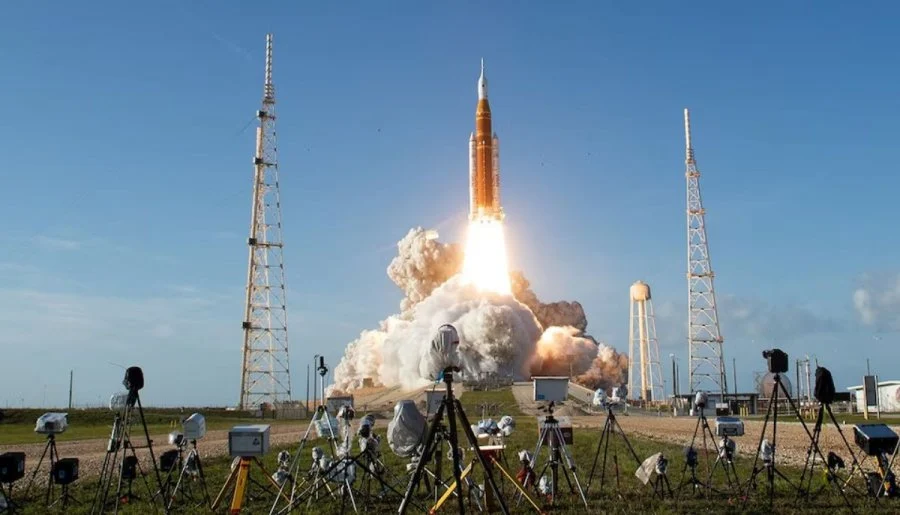
The launch of Artemis II has reignited global competition for lunar exploration, marking a shift from short-term visits to long-term ambitions of human settlement on the Moon.
Led by NASA, the Artemis programme aims to return humans to the lunar surface after more than five decades since the Apollo program. Artemis II, which began its journey on April 1, is a 10-day mission designed to test life-support systems, navigation, and astronaut performance in deep space.
Experts say this mission represents a turning point in space exploration. Astronomer Shaheer Niazi noted that while earlier missions focused on exploration, current efforts are directed toward establishing a sustained human presence. The long-term goal includes building a base on the Moon’s South Pole, a region believed to contain frozen water and other resources essential for supporting life and producing fuel.
The South Pole has become a strategic focus due to its near-continuous sunlight and potential for resource extraction, making it ideal for future operations. These factors are central to plans for permanent lunar infrastructure under the Artemis programme.
However, the United States is not alone in this pursuit. China has also intensified its space ambitions, announcing plans to send astronauts to the Moon by 2030. China has already achieved milestones such as landing rovers on the far side of the Moon, highlighting its growing capabilities.
Despite the competitive environment, international cooperation remains a key component. Agencies from the US, Canada, and Japan, including JAXA, are collaborating on technologies such as lunar vehicles for future missions.
As nations push forward, the new Moon race is evolving into a long-term effort focused not just on exploration, but on establishing a lasting human presence beyond Earth.

Government Forms Committee to Prevent Animal Cruelty


Arrested militant reveals cross-border terror links

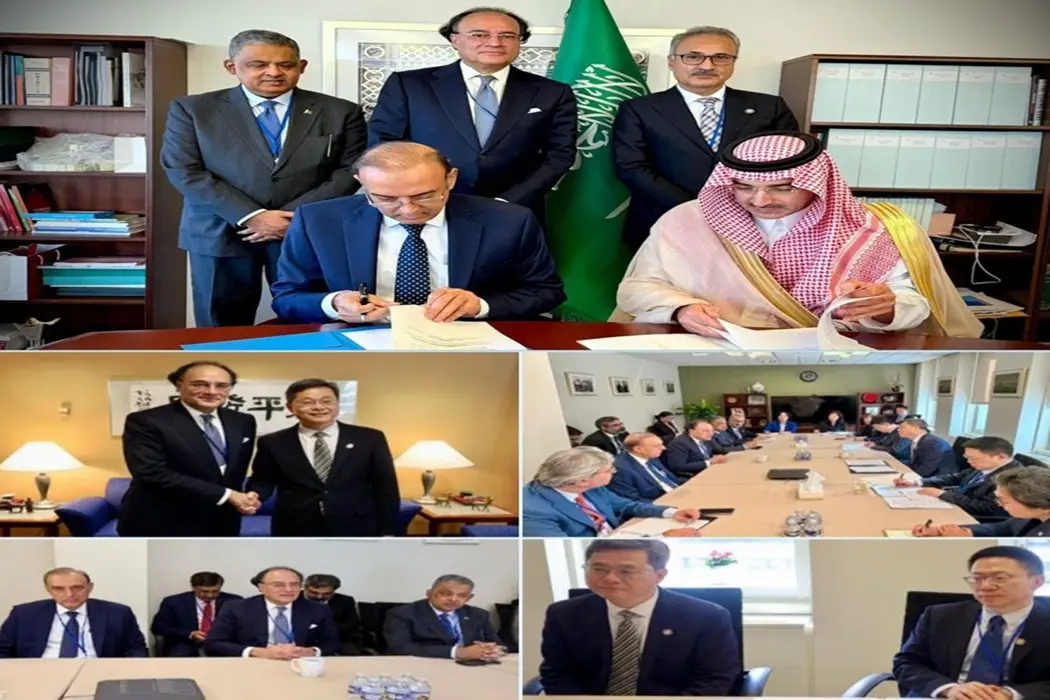
Aurangzeb holds key economic meetings in Washington




30 minutes ago

2 hours ago

2 hours ago

2 hours ago

2 hours ago

2 hours ago
 US officials have informed several European allies that previously contracted weapons deliveries may face delays as the ongoing war involving…
 Yulia Svyrydenko has said she left the United States following what she described as “positive and supportive” talks with senior…
- The United States has announced the termination of a temporary waiver that had allowed India to purchase discounted Russian oil,…
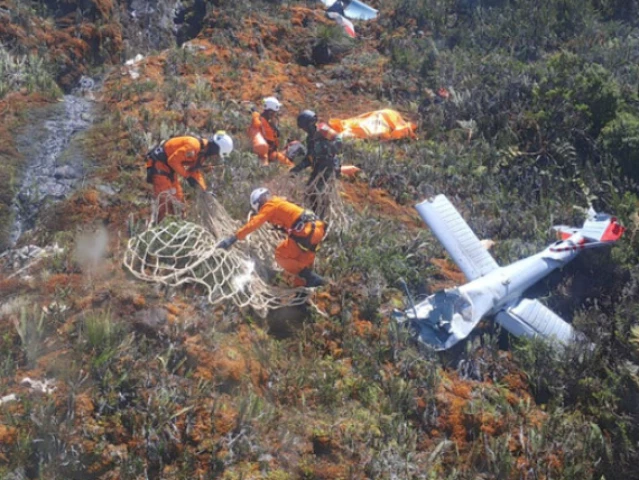
 All eight people on board an Airbus H130 were killed after the aircraft crashed in Sekadau Regency, Indonesian authorities confirmed…


 A shocking report by BBC has triggered nationwide outrage in Pakistan after alleging severe medical malpractice at a Tehsil Headquarter…
 Pakistan’s second National Anti-Polio Campaign of 2026 is continuing across the country with full momentum, as health workers aim to…
 A new case of monkeypox has been reported in Karachi, raising fresh concerns among health authorities in the city. According…
 Olivia Munn has spoken about her experience battling breast cancer, highlighting the crucial role her husband, John Mulaney, played throughout…






- The government has established a special committee to prevent cruelty…30 minutes ago
- A report published by Modern Diplomacy has supported Pakistan’s long-standing…2 hours ago
- Pakistan’s security forces have arrested a suspected militant who has…2 hours ago
- The United States has officially ended a temporary sanctions waiver…2 hours ago